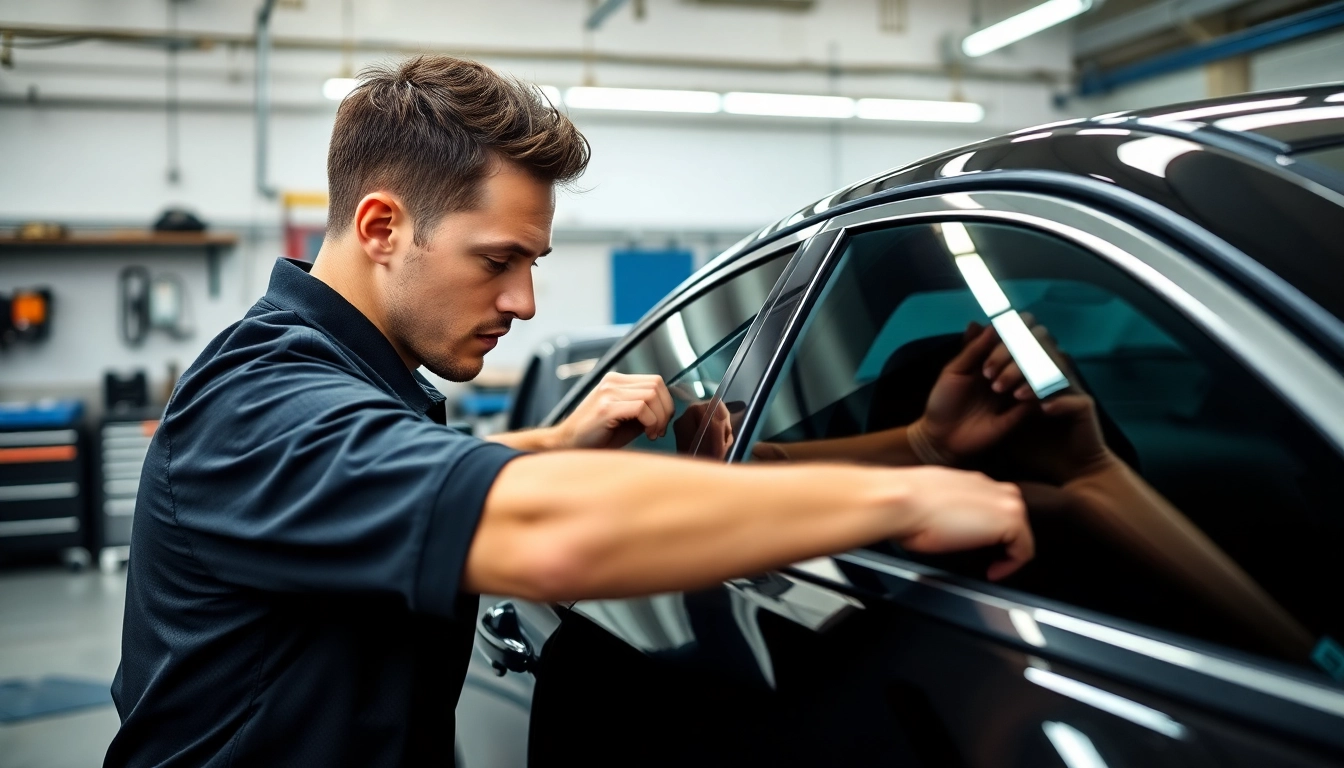
Understanding Window Tinting
What Is Window Tinting?
Window tinting involves applying a thin layer of film to the windows of vehicles, homes, or offices to enhance privacy, reduce heat, and block harmful UV rays. The materials used can range from dyed films to more advanced, multi-layered materials that include metallic or ceramic compounds. This process not only serves aesthetic purposes but also improves energy efficiency and offers protection from glare and UV damage.
Benefits of Window Tinting Cleveland TN
In Cleveland TN, window tinting provides numerous advantages. First, it can significantly lower heat levels inside the vehicle, enhancing comfort during hot summer months. This benefit contributes to a more pleasant driving experience and reduces the workload on air conditioning systems, potentially lowering fuel consumption. Additionally, window tinting protects interiors from fading and cracking caused by UV exposure.
Another major benefit is increased privacy. Tinted windows can deter theft while providing occupants with a discreet environment. For those concerned about safety, certain types of tint can also fortify windows, making them less susceptible to shattering, thereby offering an extra level of security.
Moreover, an aesthetic upgrade is achieved through window tinting, allowing vehicle owners to customize their cars to suit personal preferences. The visual appeal can enhance the overall look and feel of vehicles, making them stand out on the road.
To explore the advantages further, you may want to look into window tinting Cleveland TN, which encapsulates these benefits in the local context.
Types of Window Tints Available
There are several types of window tints available, each tailored for specific needs and preferences:
- Dyed Window Film: This is the most economical option that absorbs solar heat and enhances privacy without reflective properties.
- Metalized Window Film: This type contains metallic particles that block UV rays and heat effectively, while also adding shatter resistance.
- Ceramic Window Film: A premium choice that uses ceramic particles, providing excellent heat rejection without interfering with electronics.
- Carbon Window Film: Known for its matte finish and non-reflective surface, it blocks UV rays while maintaining a suitable indoor temperature.
Choosing the Right Window Tint
Factors to Consider When Selecting Tint
When selecting window tint, several factors should guide your decision-making process:
- Purpose: Determine whether you want the tint for privacy, temperature control, aesthetics, or security.
- Local Climate: In temperate regions like Cleveland, TN, films with higher heat rejection capabilities are advisable during summer.
- Legal Limitations: It’s imperative to know the legal regulations on tinting darkness limits in Cleveland TN, which can influence your choice significantly.
- Budget: Prices can vary widely, so establish a budget that includes installation costs along with the film itself.
Legal Regulations in Cleveland TN
Understanding local laws regarding window tinting is key to compliance. In Cleveland TN, regulations dictate the darkness and reflectivity levels allowed on vehicles. For example:
- The front windshield is generally required to have a light tint and can only be tinted above the manufacturer’s AS-1 line.
- Side windows can have darker shades, although excessive reflectivity could be penalized.
- Rear windows have fewer restrictions, but it remains crucial to check current laws to avoid fines.
Before proceeding with installation, always verify that the chosen film complies with Ohio laws to avoid potential legal issues.
How to Match Tint with Your Vehicle
Customizing window tint should harmonize with the overall aesthetics of your vehicle. Compatibility factors include:
- Vehicle Color: Darker tints work well with brighter-colored vehicles, while lighter vehicles may benefit from less contrast with lighter tints.
- Interior Appearance: Consider how the tint looks against the interior materials, such as leather versus fabric seats.
- Personal Taste: Ultimately, personal preference dictates the design. Take time to assess different shades and styles before making your final decision.
Installation Process
Preparing Your Vehicle for Tinting
Preparation for window tinting is crucial for achieving optimal results. Steps include:
- Cleaning: Thoroughly wash the windows to remove dirt, dust, and debris, as these can obstruct adhesive for a clean finish.
- Drying: Ensure that the surfaces are completely dry before proceeding with tint application to prevent bubbling.
- Removing Accessories: Remove any window-related accessories such as decals or stickers that may hinder the installation process.
What to Expect During Installation
During installation, you can expect the following processes:
- Application: The specialist will cut and apply the film precisely to the window shapes for a seamless look.
- Adjustments: Any needed adjustments to fit the film around edges will be made for a perfect fit.
- Smoothing: Finally, thorough smoothing will eliminate bubbles and wrinkles to ensure a smooth, professional finish.
Post-Installation Care Tips
Post-installation care is critical for maintaining your new tint. Here are some recommendations:
- Wait Period: Allow a 3 to 7-day period before rolling down the windows to ensure adhesive curing.
- Cleaning: Use soft, non-abrasive materials and window cleaners recommended for tinted surfaces to avoid damage.
- Inspection: Regularly check for signs of bubbling or peeling as indicators of issues that need addressing.
Common Questions About Window Tinting
Will Window Tinting Affect Visibility?
Yes, window tinting can impact visibility. High-quality films are designed to maintain visibility while still reducing glare. However, it’s important to follow legal guidelines and choose appropriate shades that balance aesthetics and safety.
How Long Does Window Tint Last?
High-quality window tint can last anywhere from 5 to 10 years, depending on factors such as type, exposure to sunlight, and installation quality. Regular maintenance further extends lifespan and effectiveness.
Can You Remove Window Tint?
Yes, professional services can remove window tint. While some DIY options exist, improper removal can lead to window damage. It’s recommended to have experts handle the task to ensure quality and safety.
Maintaining Your Window Tint
Cleaning Tips for Tinted Windows
Proper cleaning is essential for maintaining tinted windows. Use gentle, ammonia-free cleaners with soft cloths or microfiber towels to avoid scratches and damage to the film.
Signs of Damage to Look Out For
Look for bubbles, discoloration, or peeling edges. These signs indicate that the tint film may be deteriorating, and assessing them promptly is essential for repair or replacement.
When to Consider Resealing or Replacing Tint
Consider resealing or replacing tint when signs of damage become too pronounced, which can affect both the aesthetics and efficacy of the film. Additionally, if film degradation affects heat rejection or UV protection, it’s time for an upgrade.
Frequently Asked Questions
What Are the Best Window Tints for Heat Reduction?
Ceramic and metalized films are the best for heat reduction as they effectively block infrared rays while maintaining clarity.
Can I Apply Window Tint Myself?
While DIY kits exist, professional installation ensures better alignment, adhesion, and compliance with local regulations.
Is Dark Tint Illegal in Cleveland TN?
Dark tint is subject to regulations; excess darkness on front windows is typically illegal. Always check local laws before proceeding.
How Do I Know If My Tint Is Legal?
Refer to local laws about window tint opacity and reflectivity or consult professionals for guidance on legality.
Does Window Tint Fade Over Time?
Yes, some window tints can fade due to UV exposure or poor quality. High-grade films resist fading better than cheaper alternatives.